
How to Recycle or Repurpose Old Athletic Wear Sustainably (Instead of Sending It to Landfill)
17th April 2026
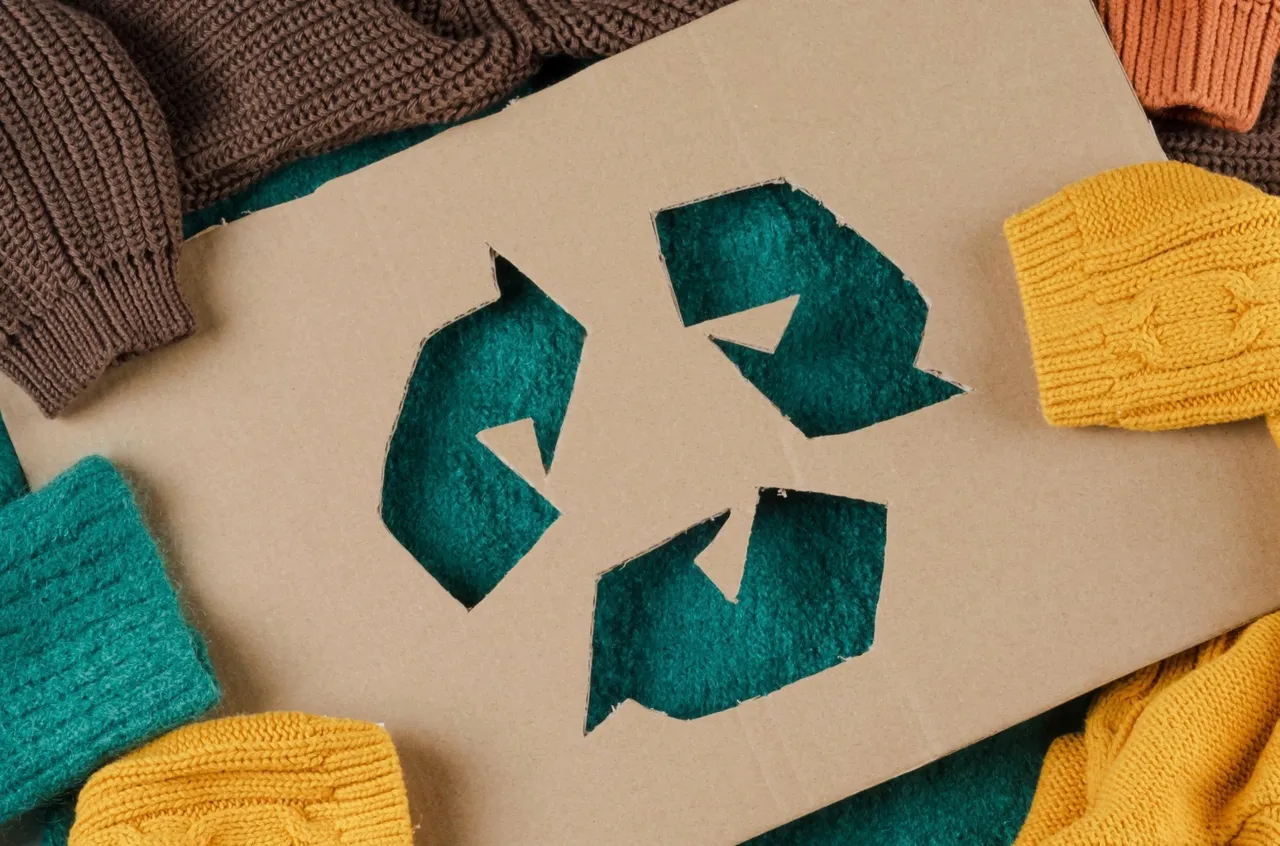
The moment arrives for every dedicated athlete: you pull on your favorite leggings or base layer and realize the fabric has thinned, the odor lingers no matter what you do, or the stretch has given out completely. After years of loyal service — countless miles, sweaty workouts, and careful laundering — it’s time to retire the piece. For too many people, that means tossing it into the household trash, where synthetic fibers will sit in a landfill for centuries, slowly breaking down into microplastics.
But there’s a better path.
With thoughtful action, your worn-out athletic wear can find new life through recycling, upcycling, or responsible donation — reducing waste while honoring the resources that went into making it.
Performance fabrics are almost entirely petroleum-based synthetics: polyester, nylon, spandex, and blends. These materials are durable and high-performing during their useful life, but they pose a significant end-of-life challenge because they don’t biodegrade easily. According to the Ellen MacArthur Foundation and textile waste reports, millions of tons of clothing end up in landfills or are incinerated each year, with athletic and activewear contributing a disproportionate share due to fast fashion cycles and technical construction that makes traditional recycling difficult.
Fortunately, major brands and organizations have expanded take-back and recycling programs specifically for athletic gear. Here’s a clear, step-by-step guide to giving your old performance wear the best possible second (or third) life.
Step 1: Assess the condition honestly
Before deciding on a path, evaluate the garment:
- Still wearable with minor issues? → Consider donation or local giveaway.
- Holes, heavy pilling, or lost stretch but fabric mostly intact? → Upcycle at home or through community programs.
- Completely worn out (thin, torn, irreversible odor)? → Prioritize brand recycling or specialized textile recyclers.
Signs it’s truly time to retire a piece (as noted in our main article) include persistent odor after proper enzyme-detergent washing, noticeable thinning in high-friction areas, excessive pilling, or complete loss of compression and wicking ability.
Step 2: Use brand take-back programs (the easiest high-impact option)
Many athletic brands now accept their own products for recycling:
- Nike — Nike Grind program accepts any brand’s shoes and apparel. Items are broken down and turned into new products like tracks, courts, and even new athletic gear.
- Patagonia — Their Worn Wear program repairs items when possible and recycles the rest into new fleece or other materials. They also buy back used Patagonia gear.
- Adidas — The “End Plastic Waste” initiative and partnerships with Parley turn ocean plastics and old gear into new products.
- Lululemon — Their “Like New” and recycling programs accept used items; some are resold, others downcycled.
- Under Armour and H&M (which carries many active lines) also run collection points.
Check the brand’s website or store locator for drop-off locations or free shipping labels. These programs are free or low-cost and ensure the materials are processed responsibly rather than landfilled.
Step 3: Explore upcycling and creative repurposing
Before sending items to recycling, consider giving them new purpose at home or in your community:
- Cut leggings or base layers into cleaning rags (great for cars, bikes, or dusty surfaces — synthetics don’t lint as much as cotton).
- Turn old sports bras or compression tops into pet beds or stuffing for pillows.
- Use intact panels for DIY projects: quilted bags, phone sleeves, or even reusable produce bags.
- Local makerspaces, schools, or community centers often accept fabric donations for art or sewing classes.
- Online communities like Reddit’s r/Upcycling or Facebook groups frequently share patterns specifically for athletic fabric.
Step 4: Donate responsibly when items are still wearable
Gently used athletic wear is in high demand at:
- Local shelters, women’s centers, or refugee resettlement programs (many need moisture-wicking layers for outdoor work or exercise).
- Thrift stores that partner with textile recyclers (ensure they have a textile recycling bin).
- Organizations like Goodwill or Planet Aid that sort and divert unwearable items to recycling streams.
Avoid donating heavily soiled or damaged pieces, as they often end up in landfills anyway.
Step 5: Use specialized textile recyclers as a last resort
If brand programs aren’t accessible, look for municipal textile collection bins or services like TerraCycle’s Zero Waste Box for hard-to-recycle fabrics. Some companies mechanically shred synthetics into insulation, carpet padding, or stuffing for new products.
Combining these strategies with the care routines from the rest of this cluster — cold-water washing with enzyme detergents, skipping fabric softener, and reducing microplastic shedding — dramatically extends garment life in the first place. Washing less often and using gentler cycles means fewer items reach end-of-life prematurely.
The environmental payoff is significant. Diverting even one pair of leggings or a hoodie prevents hundreds of thousands of microfibers from entering landfills or waterways over decades. When scaled across households, these actions reduce demand for virgin petroleum-based fibers and lower the carbon footprint of the textile industry.
The athlete who once guiltily tossed old gear into the trash now sorts hers carefully: repairable items go to Patagonia’s Worn Wear, still-usable pieces head to a women’s shelter, and truly worn-out synthetics go into Nike’s collection bin. She reports feeling lighter — not just because she’s decluttered, but because she knows her miles of use didn’t end in waste.
Your athletic wear has already powered you through tough workouts and long runs. Giving it a responsible goodbye is one final way to honor that partnership. By choosing recycling and repurposing over the landfill, you close the loop on your gear’s lifecycle — keeping valuable materials in circulation and reducing the environmental burden of our active lifestyles.
Start small: check one brand’s take-back program this week or set aside a bag for upcycling. Every piece diverted is a win for your wallet, your conscience, and the planet.
Frequently Asked Questions
When is athletic wear truly ready for retirement?
When it has persistent odor after proper washing, noticeable thinning, excessive pilling, or complete loss of stretch and wicking. At that point, focus on recycling or repurposing rather than continued use.
Which brands have the best take-back programs for athletic wear?
Nike (Nike Grind), Patagonia (Worn Wear), Adidas, and Lululemon currently offer strong options for collection and recycling of performance gear.
Can I recycle athletic wear at regular recycling centers?
Most curbside programs do not accept textiles. Use brand take-back programs, specialized textile bins, or services like TerraCycle instead.
Is upcycling old athletic wear worth the effort?
Yes — synthetic fabrics make excellent cleaning rags, pet bedding, or DIY projects because they are durable and low-lint. Many community programs also accept them for creative reuse.
How does proper care extend the life of athletic wear and reduce waste?
Cold-water washing with enzyme detergents, skipping fabric softener, and washing less often (as covered in our other guides) can add months or years of use, delaying the need for replacement and reducing overall textile waste.
About Us
The team at Clean Shirt Co. Laundromat are laundry specialists with deep expertise in fabric care, performance synthetics, and efficient laundry systems for both everyday households and high-turnover Airbnb properties. Drawing from years of hands-on testing, scientific research, and real customer feedback, we create clear, actionable guides that help readers solve stubborn laundry problems while saving time and money. Located in Eau Claire, Wisconsin, we personally test every recommendation before sharing it.
Latest Blog Posts
The UWEC Student's Guide to Laundry Day (Yes, It Can Be Easy)
Laundromat near UW-Eau Claire — a 4-min drive or 10-min walk from campus. Credit card-accepted machines, large loads for comforters, open from 6 AM until 11 PM daily. Always staffed. Everything Blugolds need to know about laundry day.
25th August 2026
White Glove Laundry Service in Eau Claire
Looking for a dry cleaning alternative in Eau Claire? Discover Clean Shirt Co.’s White Glove Laundry Service for dress shirts, dresses, formalwear, and uniforms.
5th August 2026
Dry Cleaners Eau Claire | Clean Shirt Co. White Glove Laundry Service
Searching for dry cleaners in Eau Claire? Clean Shirt Co. offers a dry cleaning-equivalent alternative with White Glove Laundry Service for dress shirts, dresses, wedding gowns, and formal garments. Drop-off ready in 3 business days or less.
4th August 2026
What We Wash in Our Drop-Off Laundry Service | Clean Shirt Co.
See what you can bring to Clean Shirt Co.’s wash-dry-fold drop-off laundry service in Eau Claire, including everyday clothes, towels, linens, and bedding, plus tips for best results.
2nd August 2026
What to Expect When You Drop Off Laundry at Clean Shirt Co.
Curious what happens after you drop off laundry? Clean Shirt Co. in Eau Claire explains exactly how our wash-dry-fold service works from check-in to pickup, so you know what to expect every time.
2nd August 2026