
Athletic Wear and Performance Fabrics: Keeping Moisture-Wicking Gear Fresh Without Breaking It Down
17th April 2026
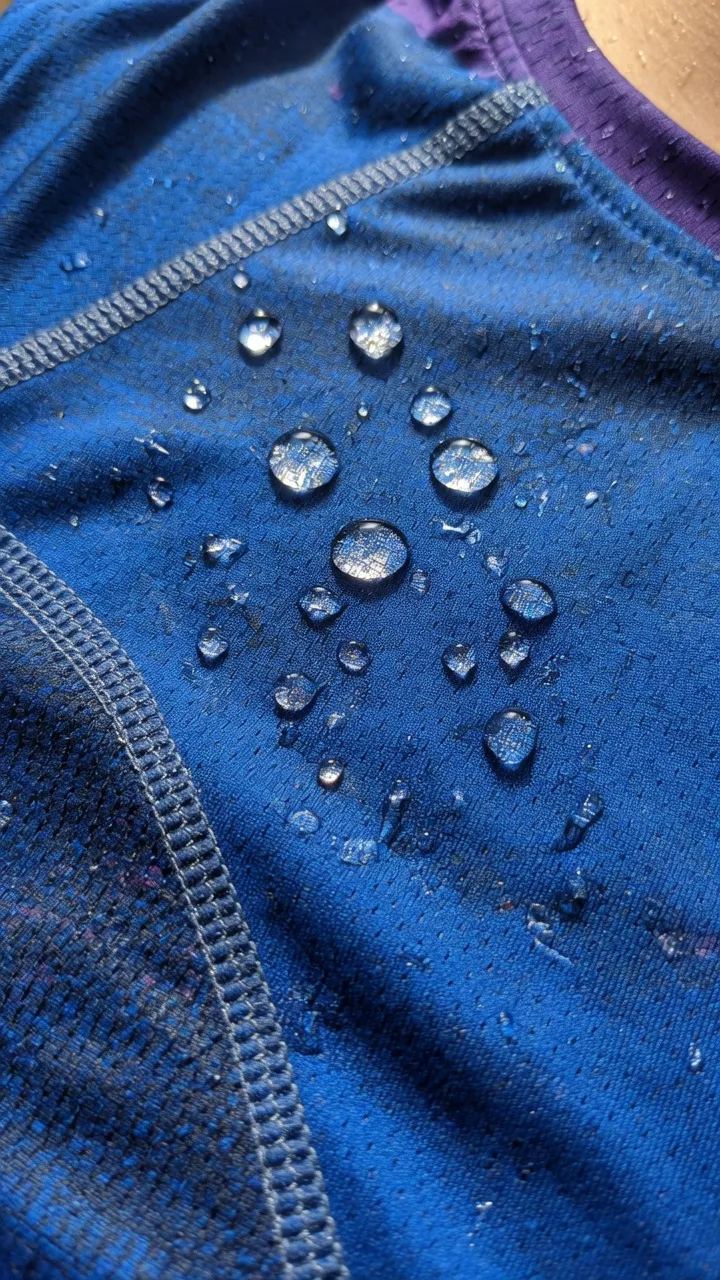
After an intense workout — whether a long run, hot yoga session, or heavy lifting — many athletes peel off their moisture-wicking gear expecting it to emerge from the laundry fresh and ready for the next effort. Instead, they often encounter the same sour, lingering odor that ordinary washing seems powerless to remove. This common paradox arises because the synthetic fabrics prized for keeping athletes dry during activity can become stubborn odor traps over time.
Performance fabrics, typically blends of polyester, nylon, and spandex, excel at wicking moisture. Their hydrophobic fibers repel water while tiny channels between filaments spread sweat across a large surface for quick evaporation. Spandex adds stretch without sacrificing that quick-dry quality. Yet those same properties make the fabrics oleophilic — oil-loving — attracting and trapping lipids from sweat and sebum deep within their open fiber structure. Fresh sweat is nearly odorless; the characteristic smell develops when skin bacteria break down its fatty acids and proteins into volatile compounds.
A 2014 study by microbiologist Chris Callewaert and colleagues at Ghent University, published in Applied and Environmental Microbiology, clearly illustrated the difference. Volunteers wore polyester or cotton T-shirts during intense cycling sessions. After the shirts were incubated, an independent panel rated the polyester versions significantly smellier. DNA analysis revealed that Micrococcus bacteria — known for metabolizing sweat components into malodorous volatiles — grew far more abundantly on the synthetics. While Staphylococcus appeared on both fabrics, Corynebacterium (a primary contributor to armpit odor) colonized the textiles poorly. The fiber type itself appeared to influence which microbes thrive.
Textile scientist Rachel McQueen at the University of Alberta has deepened understanding of this retention issue. Her 2024 study on textile sorption and release of odorous volatile organic compounds from a synthetic sweat solution, along with earlier research, showed that polyester and nylon absorb and retain higher levels of non-polar, oily odorants than cellulosic fibers like cotton and viscose, which release them more readily during washing. Wool often performed best overall at managing odor. Repeated wear-and-wash cycles allow residues to build up on synthetics, much like plaque, and resist standard detergents. More recent analyses confirm that polyester’s greater hydrophobicity enables stronger bacterial adhesion and sebum absorption, fostering distinct communities enriched for odor-associated genera.
The solution often runs counter to intuition: gentler care, particularly cold-water washing, frequently preserves both performance and longevity better than heat or harsh methods. [internal link: The Science of Cold-Water Washing – Benefits for Fabric Longevity and the Environment]
Modern enzyme detergents — containing lipases to target fats and proteases to break down proteins — activate effectively in cool water, sometimes outperforming older formulas that relied on heat. Temperatures much above 86°F (30°C) can degrade spandex elasticity, leading to sagging and reduced compression. Heat also accelerates microfiber shedding from synthetics; a 2020 PLOS ONE study found that colder, faster cycles can reduce release by up to 30 percent compared with warmer, longer washes, helping to limit microplastic pollution in waterways. Cold washes further deliver energy savings — up to 90 percent less than hot cycles in many cases — while helping garments retain color, shape, and wicking channels longer.
Major brands incorporate this science into their recommendations. Nike advises washing in cold water on the gentle cycle with minimal detergent and suggests a vinegar pre-soak for odor issues on Dri-FIT items. [Nike’s official workout clothes care guide] Lululemon recommends cold washes with like colors and explicitly cautions against fabric softeners, which coat fibers and impair moisture management. [Lululemon product wash and care instructions] Patagonia encourages washing less often, using cool-to-warm, gentle cycles, and line-drying. [Patagonia care and repair guidelines] Under Armour and Adidas similarly recommend cold or mild washes, turning garments inside out, and avoiding high heat in the dryer.
The consistent guidance: treat technical fabrics with care to maintain their engineered benefits.
Drew Westervelt, founder of HEX Performance and a former professional lacrosse player, developed specialized detergents after experiencing the limitations of standard formulas on his own gear. Ordinary detergents, he has noted, are designed primarily for cotton and everyday soils; they can leave residues on synthetics that feed bacteria over repeated cycles. Enzyme-rich activewear formulas target oils and proteins that conventional soaps often miss, without heavy fragrances or buildup.
Establishing an effective routine is straightforward once the principles are clear. Wash items inside out as soon as possible after sweaty use — ideally within hours — to limit bacterial growth. Use a modest amount of an enzyme-based detergent formulated for performance fabrics (or one strong in lipases and proteases).
For particularly stubborn odors, a 30-minute pre-soak in a solution of one part white vinegar to four parts cold water can help loosen residues and neutralize smells through mild acidity that disrupts bacterial films. Avoid fabric softeners entirely, as they deposit a coating that compromises wicking.
Opt for the cold or cool gentle cycle, ideally in a front-loader with less agitation. Air-dry on a rack in a well-ventilated area; if a dryer is necessary, use low heat and remove items promptly.
Antimicrobial finishes, such as those using silver ions, may offer short-term odor control, but they tend to diminish with repeated laundering and do not substitute for consistent proper care. Over time, even well-maintained garments show signs they should be retired: persistent odor after correct washing, thinning fabric, excessive pilling in high-friction zones, or noticeable loss of stretch. Many brands now offer take-back or recycling programs to keep these items out of landfills.
Several myths continue to circulate. Hot water does not reliably eliminate all odor-causing bacteria from fabrics; many survive typical home-laundering temperatures, and enzymes often perform better in cooler conditions. Fabric softener does not help synthetics — it often impairs their technical performance. “Antimicrobial” fabrics provide some initial benefit, yet their protective effects wear off and cannot compensate for inconsistent laundering habits.
In the bigger picture, thoughtful care of performance wear represents a form of stewardship. These petroleum-based synthetics contribute to microplastic pollution, but extending their usable life by even a year or two through smarter routines reduces environmental impact and saves money. [internal link: Reducing Microplastics from Laundry – Eco-Friendly Tips]
Emerging innovations — including: bio-based fibers, self-cleaning enzyme treatments, and improved odor-binding technologies — hold promise for the future, but informed laundering remains the most practical and accessible tool available now.
Athletes who adopt this approach often find their gear emerging from the wash neutral-smelling, still wicking effectively, and retaining its stretch and support. The high-tech fabrics that power demanding workouts simply require us to align our care routines with the underlying science of fibers, bacteria, and enzymes. When that balance is achieved, the clothing continues to perform reliably — fresh, functional, and ready for the next effort, mile after mile.
Frequently Asked Questions
Why does my athletic wear still smell after washing?
Synthetic fibers like polyester are oleophilic and trap body oils that feed odor-causing bacteria such as Micrococcus. Standard detergents often fail to fully remove these residues, unlike enzyme-based formulas designed for synthetics.
Is cold water effective for washing performance fabrics?
Yes — modern enzyme detergents work well in cold water, and lower temperatures preserve spandex elasticity, reduce microfiber shedding, and save energy while maintaining wicking performance.
Should I use fabric softener on athletic wear?
No. Fabric softeners leave a coating that impairs moisture-wicking properties. Skip them entirely and air-dry instead for best results.
How often should I wash my workout clothes?
Wash after every sweaty use if possible, or at least air them out immediately. Less frequent washing (when not heavily soiled) can extend garment life when combined with proper routines.
When should I retire my athletic gear?
Retire pieces when odor persists after correct washing, or when you notice thinning, excessive pilling, or loss of stretch. Recycle through brand programs whenever possible.
About Us
The team at Clean Shirt Co. Laundromat are laundry specialists with deep expertise in fabric care, performance synthetics, and efficient laundry systems for both everyday households and high-turnover Airbnb properties. Drawing from years of hands-on testing, scientific research, and real customer feedback, we create clear, actionable guides that help readers solve stubborn laundry problems while saving time and money. Located in Eau Claire, Wisconsin, we personally test every recommendation before sharing it.
Latest Blog Posts
The UWEC Student's Guide to Laundry Day (Yes, It Can Be Easy)
Laundromat near UW-Eau Claire — a 4-min drive or 10-min walk from campus. Credit card-accepted machines, large loads for comforters, open from 6 AM until 11 PM daily. Always staffed. Everything Blugolds need to know about laundry day.
25th August 2026
White Glove Laundry Service in Eau Claire
Looking for a dry cleaning alternative in Eau Claire? Discover Clean Shirt Co.’s White Glove Laundry Service for dress shirts, dresses, formalwear, and uniforms.
5th August 2026
Dry Cleaners Eau Claire | Clean Shirt Co. White Glove Laundry Service
Searching for dry cleaners in Eau Claire? Clean Shirt Co. offers a dry cleaning-equivalent alternative with White Glove Laundry Service for dress shirts, dresses, wedding gowns, and formal garments. Drop-off ready in 3 business days or less.
4th August 2026
What We Wash in Our Drop-Off Laundry Service | Clean Shirt Co.
See what you can bring to Clean Shirt Co.’s wash-dry-fold drop-off laundry service in Eau Claire, including everyday clothes, towels, linens, and bedding, plus tips for best results.
2nd August 2026
What to Expect When You Drop Off Laundry at Clean Shirt Co.
Curious what happens after you drop off laundry? Clean Shirt Co. in Eau Claire explains exactly how our wash-dry-fold service works from check-in to pickup, so you know what to expect every time.
2nd August 2026